
The Best Flooring Options for California's Hot Summers
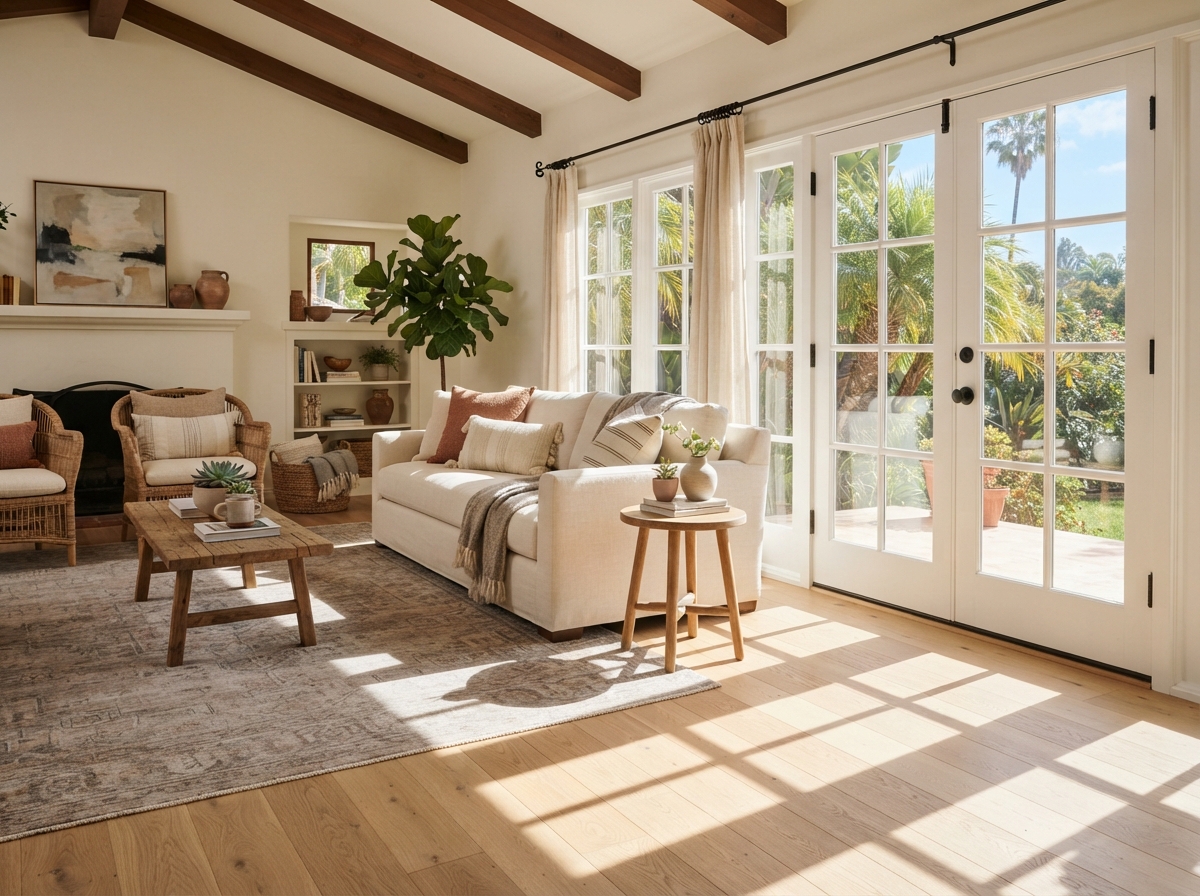
Central Valley summers are no joke. Woodland and Sacramento regularly see triple-digit temperatures for weeks at a stretch, and that heat doesn't stop at your windows. It reaches your floors too, and different materials handle that stress in very different ways.
We get asked constantly which flooring holds up best through a Central Valley summer. Here's an honest breakdown, material by material.
Luxury Vinyl Plank (LVP)
LVP is generally the top performer in extreme heat, and it's a big part of why we install so much of it across Woodland and Sacramento. Its multi-layer construction resists the expansion and contraction that plagues other materials, and quality LVP is engineered to stay dimensionally stable across a wide temperature range.
That said, not all LVP is created equal here. Cheaper, thinner products can still soften or show indentation under prolonged direct sun and heat, especially near south or west-facing windows. If you're flooring a sunroom or a room with significant unfiltered sun exposure, ask about heat-rated or commercial-grade LVP specifically. It costs a bit more but performs meaningfully better in those conditions.
Engineered Hardwood
Engineered hardwood is often the smart middle ground for Central Valley homes that want the look of real wood without the full risk profile of solid hardwood. Its layered plywood core is more dimensionally stable than solid wood, meaning it resists the expansion and contraction cycles that come with our dry summers and comparatively humid winters.
It's still real wood on the surface, so it's not immune to heat and sun exposure entirely. UV rays can gradually change the color of the finish over years, and prolonged, intense heat near windows can occasionally cause minor gapping even in engineered products. Rotating rugs or using UV-filtering window film in heavily sun-exposed rooms helps extend the life of the finish.
Solid Hardwood
Solid hardwood can absolutely work in a Central Valley home, but it's the material that requires the most attention to our specific climate. Wood is naturally responsive to humidity and temperature swings, and our summer-to-winter humidity shift is more dramatic here than in coastal California.
The key is proper acclimation before installation (letting the wood adjust to your home's actual conditions for several days beforehand) and maintaining reasonably consistent indoor humidity year-round, generally in the 35 to 55 percent range. Homes that go from a bone-dry, air-conditioned summer to a damper winter without any humidity control tend to see more seasonal gapping in solid hardwood than homes that manage that swing more consistently. If you're set on solid hardwood, it's worth the conversation with your installer about your specific home's HVAC setup and typical indoor conditions.
Laminate
Laminate is budget-friendly and holds up reasonably well to daily wear, but it's the material most likely to struggle specifically with heat. Its core is typically a high-density fiberboard, which can warp or swell when exposed to prolonged high heat combined with any moisture, a combination that's more common than people expect near un-shaded windows or in rooms without adequate air conditioning.
For interior rooms with consistent climate control, laminate performs fine. For sunrooms, rooms with large unfiltered west-facing windows, or spaces that regularly get warmer than the rest of the house, we typically steer people toward LVP instead, since it handles that specific combination of heat and occasional moisture more reliably.
Rooms With Direct Sun Exposure
Regardless of material, a few practical habits go a long way in rooms that see serious, unfiltered sun throughout summer afternoons. UV-filtering window film or quality blinds reduce both heat buildup and the sun bleaching that fades finishes and colors over time. Keeping a consistent indoor temperature (rather than letting a room swing dramatically between an air-conditioned morning and a scorching afternoon) reduces the expansion and contraction stress on any material.
If a specific room in your home runs noticeably hotter than the rest, mention that during your flooring consultation. It genuinely changes which material makes sense for that space, even if the rest of your home is getting something different.
Not sure how your specific rooms will handle our summers? That's exactly what we walk through during a free in-home estimate, where we can look at your home's sun exposure, layout, and HVAC setup before recommending a material. Browse our hardwood, vinyl and LVP, and laminate service pages for more on each option, or see our full range of services.
Frequently Asked Questions
Extreme, prolonged heat combined with low humidity can cause hardwood to shrink slightly and gap more than usual, though this is typically cosmetic rather than structural. Engineered hardwood handles this better than solid hardwood due to its more stable layered construction. Keeping consistent indoor humidity helps minimize the effect regardless of which type you choose.
Written by the Perez Flooring Team
Family-owned and operated in Woodland, CA, Perez Flooring has installed and restored floors across the Central Valley for over 25 years. Learn more about our story.
Related Articles
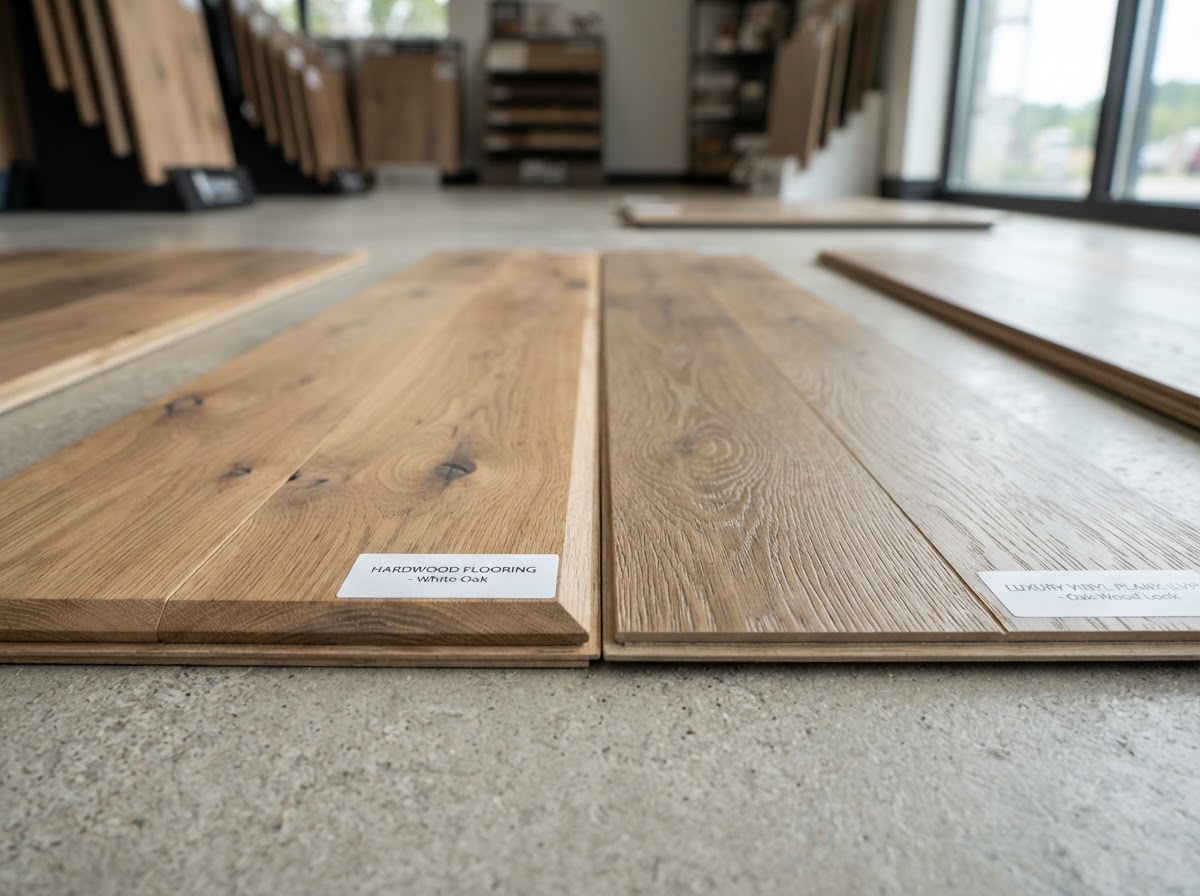
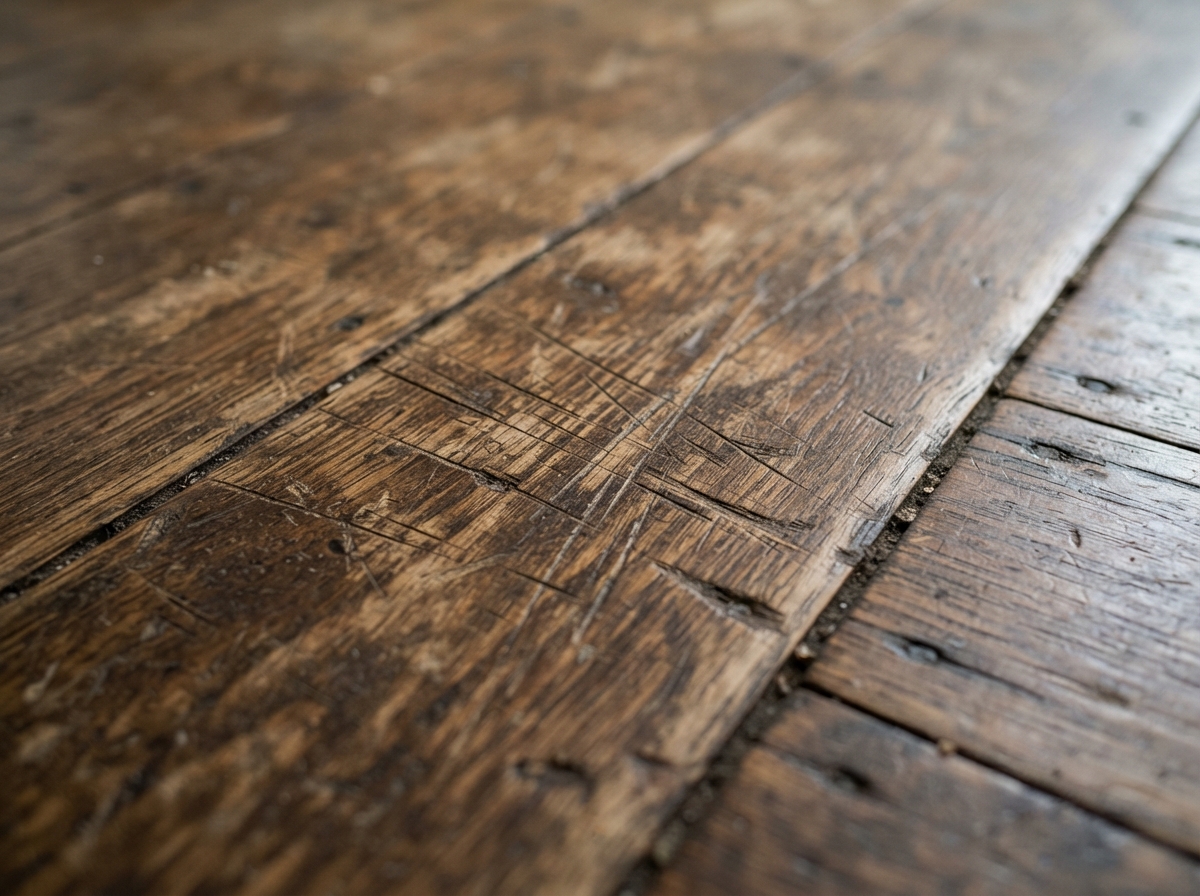
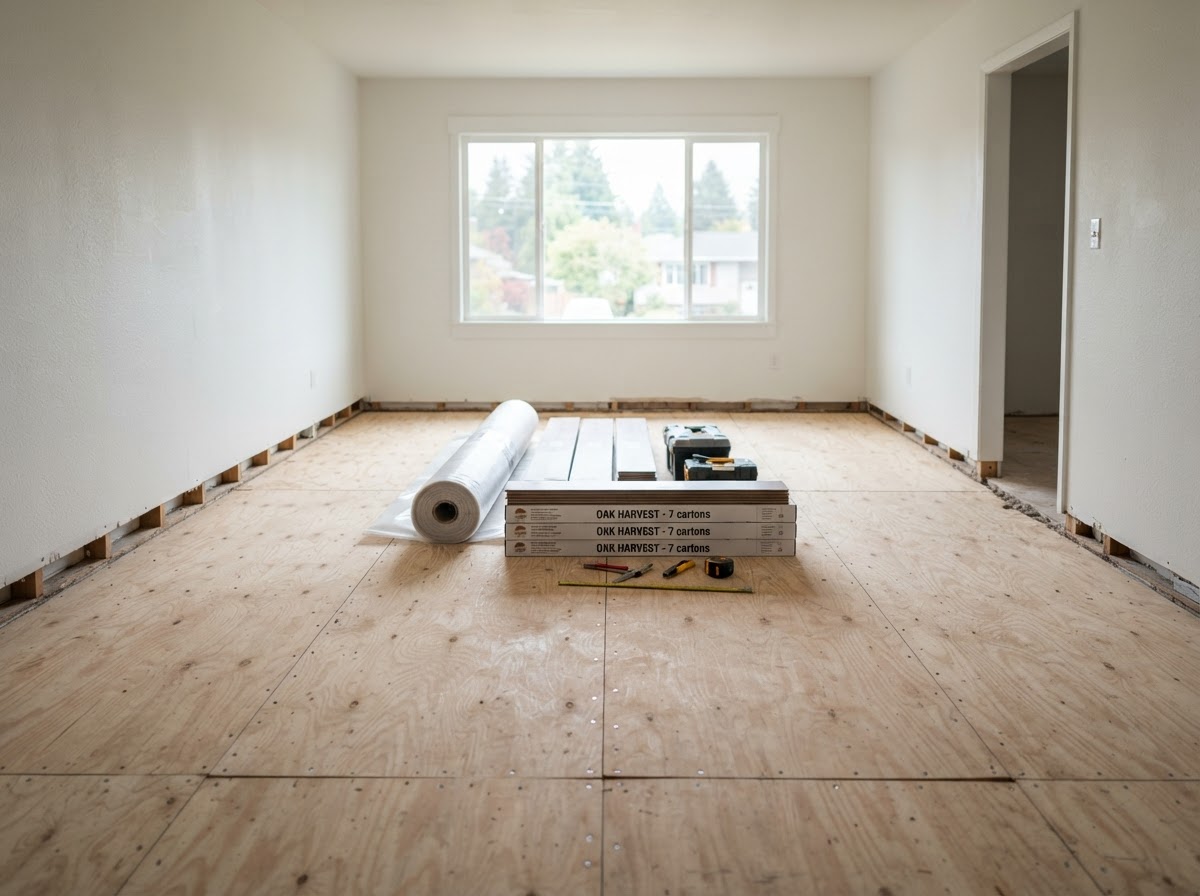
Not Sure Which Flooring Fits Your Home's Climate?
Get a free in-home estimate. We'll look at your home's sun exposure and layout before recommending a material.