
Laminate Flooring 101: What You Need to Know Before You Buy
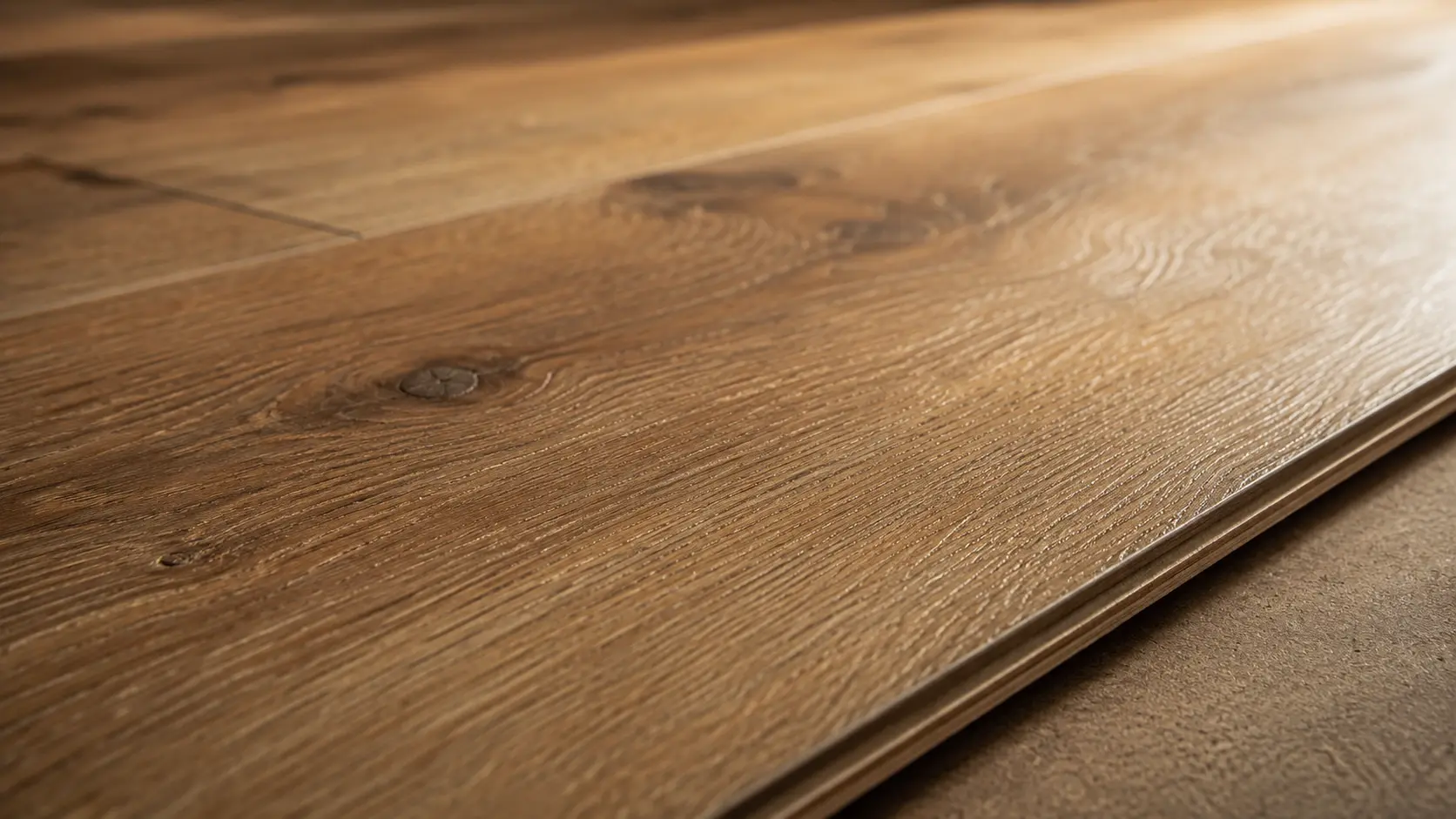
Laminate gets an unfair reputation sometimes, usually based on decades-old memories of the thin, obviously-fake wood-look flooring from the 1990s. Modern laminate is a genuinely different product, and it's one of the more misunderstood materials we install. Here's what it actually is, where it shines, and where it falls short.
What Laminate Actually Is
Laminate flooring is built from a high-density fiberboard core, topped with a high-resolution photographic layer that replicates wood grain, and finished with a clear, hard wear layer that protects the surface. It's not a solid material through and through the way hardwood is, and it's not the same flexible, waterproof composition as LVP. It's its own distinct category, with its own set of tradeoffs.
The photographic layer is why modern laminate looks dramatically more realistic than older versions. Manufacturers now use embossed-in-register texturing, meaning the surface texture physically lines up with the printed wood grain pattern, so the grooves you feel actually match the grain you see. That single improvement accounts for most of the visual upgrade over older laminate.
The Real Pros of Laminate
Cost is the most obvious advantage, with laminate consistently among the most budget-friendly hard-surface flooring options available. It's also genuinely durable against everyday wear: the clear wear layer resists scratches from foot traffic, pet nails, and normal household activity better than unfinished or lightly finished wood surfaces.
Installation tends to be faster than hardwood as well, since laminate typically uses a click-lock floating floor system rather than nailing or gluing individual boards, which can shorten project timelines in straightforward rooms.
Where Laminate Falls Short
Moisture is laminate's clear weak point. The fiberboard core swells and can warp permanently if it's exposed to standing water or consistent moisture, which rules it out for bathrooms, laundry rooms, and any space with a real risk of water exposure. This is the single biggest reason we steer people toward LVP instead for wet-prone rooms.
Laminate also can't be refinished the way hardwood can. Once the wear layer is scratched through or the surface is damaged, that plank needs to be replaced rather than sanded and restored. It's a tradeoff worth knowing about upfront, since it changes the long-term ownership experience compared to hardwood.
Cost Compared to Other Materials
Laminate typically runs $3 to $7 per square foot installed, generally landing below both hardwood ($6 to $12) and often comparable to or slightly below standard LVP ($4 to $8). Higher-end laminate with thicker wear layers and more realistic texturing sits toward the top of that range, while basic laminate sits at the bottom.
Best Rooms for Laminate
Bedrooms, living rooms, home offices, and hallways are all strong fits for laminate, especially in rental properties or budget-conscious projects where the combination of low cost and decent durability makes sense. It's also a common choice for basements and secondary living spaces where a wood look is desired without the cost of solid hardwood.
Avoid it in bathrooms, laundry rooms, and any area with regular water exposure. For kitchens, it's a judgment call: light-moisture kitchens with careful homeowners sometimes work fine, but if spills are a regular occurrence, waterproof LVP is the safer long-term choice.
Spotting Good Laminate vs. Cheap Laminate
Not all laminate performs the same, and the differences matter more than the price tag alone suggests. Look at the AC rating (Abrasion Class), a standardized durability measurement where AC3 is suitable for residential use and AC4 or AC5 indicates commercial-grade durability that holds up even better in busy households. Thicker planks (8mm or higher) generally feel more solid underfoot and resist flexing at seams better than thinner, budget options.
Also check the wear layer thickness specifically, since this is what actually determines scratch resistance over time, not just the overall plank thickness. A thin, low-AC-rated laminate might look identical to a premium option in a showroom, but the difference shows up within the first year or two of real household use.
If you're weighing laminate against other materials for your specific rooms, that's exactly the kind of decision a free in-home consultation helps clarify. We'll look at your space, your household's habits, and your budget before recommending what actually makes sense. Check our current special offers as well, since laminate promotions come up periodically.
Frequently Asked Questions
No, standard laminate is not waterproof, and this is its most significant limitation. The fiberboard core can swell and warp if exposed to standing water or consistent moisture. Some newer "water-resistant" laminate products offer limited protection against spills if cleaned up quickly, but none are truly waterproof the way LVP is.
Written by the Perez Flooring Team
Family-owned and operated in Woodland, CA, Perez Flooring has installed and restored floors across the Central Valley for over 25 years. Learn more about our story.
Related Articles
Considering Laminate for Your Home?
Get a free estimate. We'll help you choose the right grade of laminate, or point you toward a better fit for your specific rooms.